Rupert Grint Ordered to Pay $2.3 Million in Taxes Over Harry Potter Residuals After Legal Ruling
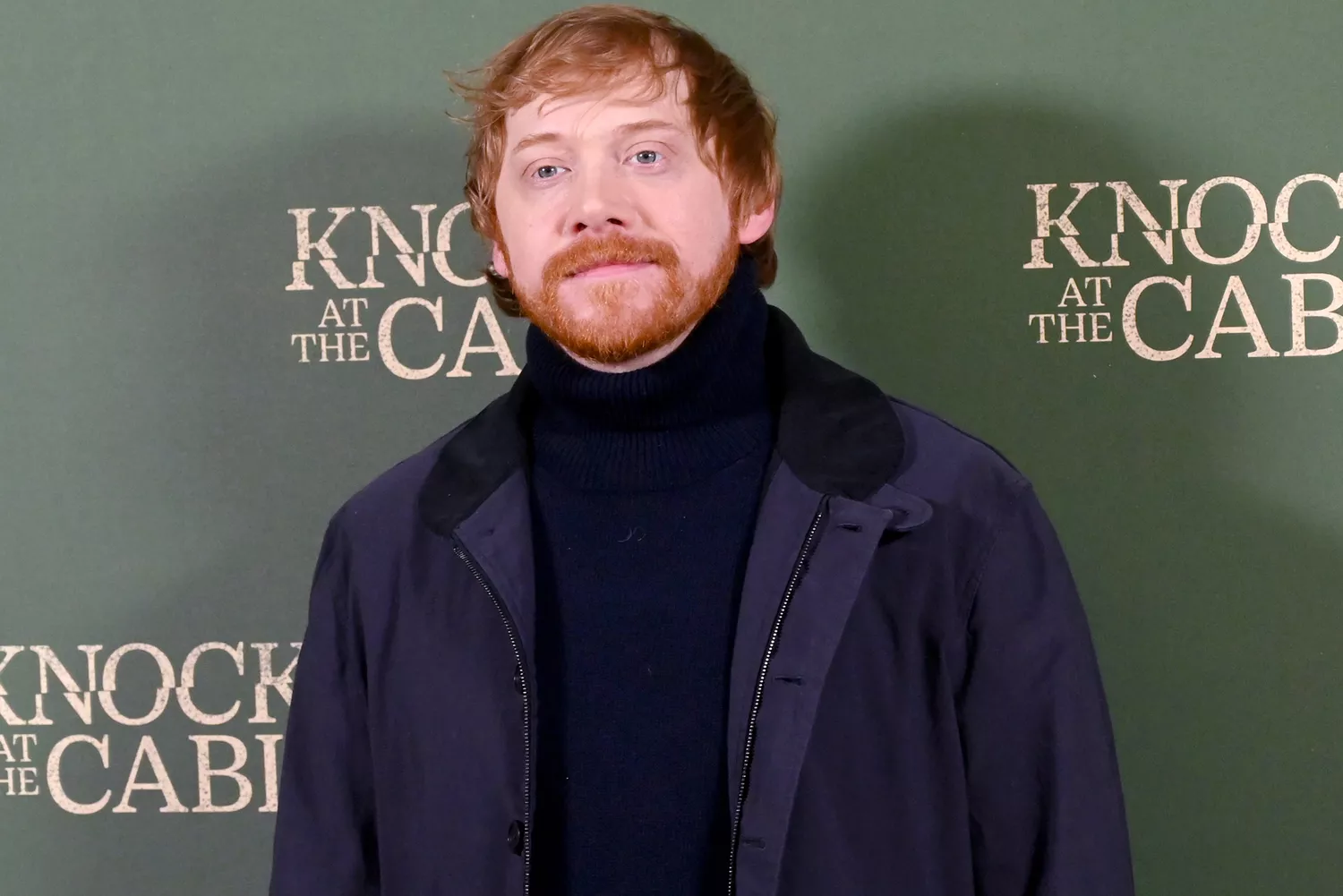
Rupert Grint, best known for portraying Ron Weasley in the Harry Potter series, must pay a hefty tax bill to the U.K. government following a ruling on his residuals from the films. The actor is now required to fork over £1.8 million ($2.3 million) in taxes after the court determined that his earnings from Harry Potter were incorrectly classified as a capital asset, rather than as taxable income.
The dispute stems from Grint’s 2019 attempt to lower his tax burden by transferring his residual rights to a company he established, Clay 10 Limited, in 2011. Grint had sold his Harry Potter residuals to this company, attempting to classify them as a capital asset to benefit from lower tax rates. However, the HM Revenue and Customs (HMRC) agency argued that this was a misuse of a loophole once attempted by the Beatles in the 1960s, commonly referred to as the “Beatles clause.”
Grint’s legal team appealed the decision, but the courts sided with the tax agency, concluding that his residuals should be treated as income rather than capital gains. The actor admitted to being somewhat hands-off with his finances, claiming that he had trusted his father and accountants to manage his financial affairs.
This ruling has made headlines as it highlights the complex relationship between celebrity income, tax laws, and how loopholes have been historically exploited by public figures. Grint, who began his Harry Potter journey as a 12-year-old in 2001, has maintained a lower profile in comparison to his co-stars Daniel Radcliffe and Emma Watson, but continues to make his mark in recent projects such as Knock at the Cabin and Servant.
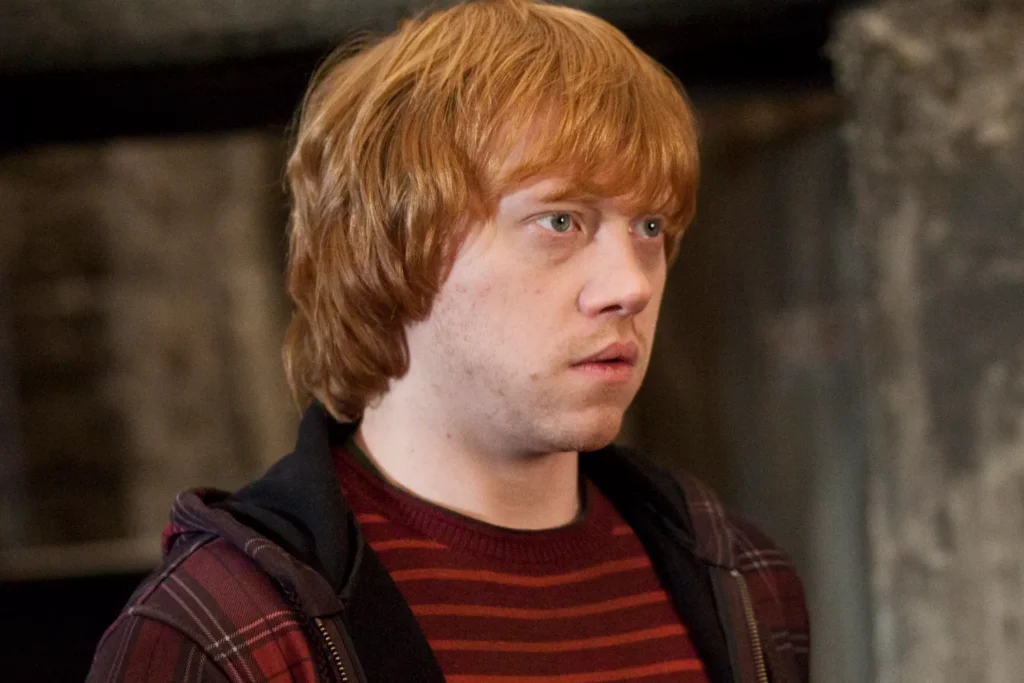
Rupert Grint, best known for portraying Ron Weasley in the Harry Potter series, must pay a hefty tax bill to the U.K. government following a ruling on his residuals from the films. The actor is now required to fork over £1.8 million ($2.3 million) in taxes after the court determined that his earnings from Harry Potter were incorrectly classified as a capital asset, rather than as taxable income.
The dispute stems from Grint’s 2019 attempt to lower his tax burden by transferring his residual rights to a company he established, Clay 10 Limited, in 2011. Grint had sold his Harry Potter residuals to this company, attempting to classify them as a capital asset to benefit from lower tax rates. However, the HM Revenue and Customs (HMRC) agency argued that this was a misuse of a loophole once attempted by the Beatles in the 1960s, commonly referred to as the “Beatles clause.”
Grint’s legal team appealed the decision, but the courts sided with the tax agency, concluding that his residuals should be treated as income rather than capital gains. The actor admitted to being somewhat hands-off with his finances, claiming that he had trusted his father and accountants to manage his financial affairs.
This ruling has made headlines as it highlights the complex relationship between celebrity income, tax laws, and how loopholes have been historically exploited by public figures. Grint, who began his Harry Potter journey as a 12-year-old in 2001, has maintained a lower profile in comparison to his co-stars Daniel Radcliffe and Emma Watson, but continues to make his mark in recent projects such as Knock at the Cabin and Servant.