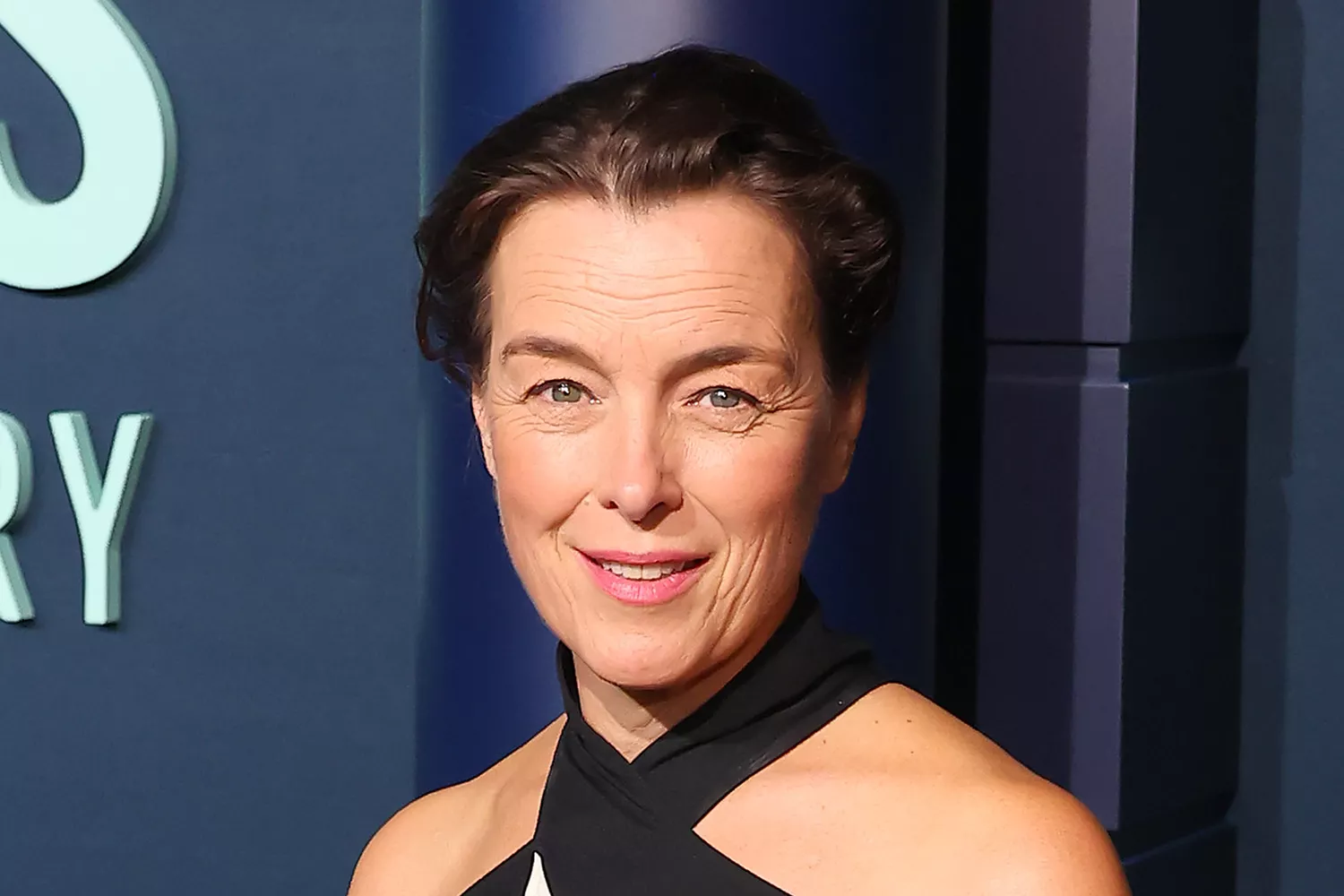
The Crown star reflects on the pain of delayed diagnosis, the toll of ongoing treatment, and her mission to improve early detection for pancreatic cancer.
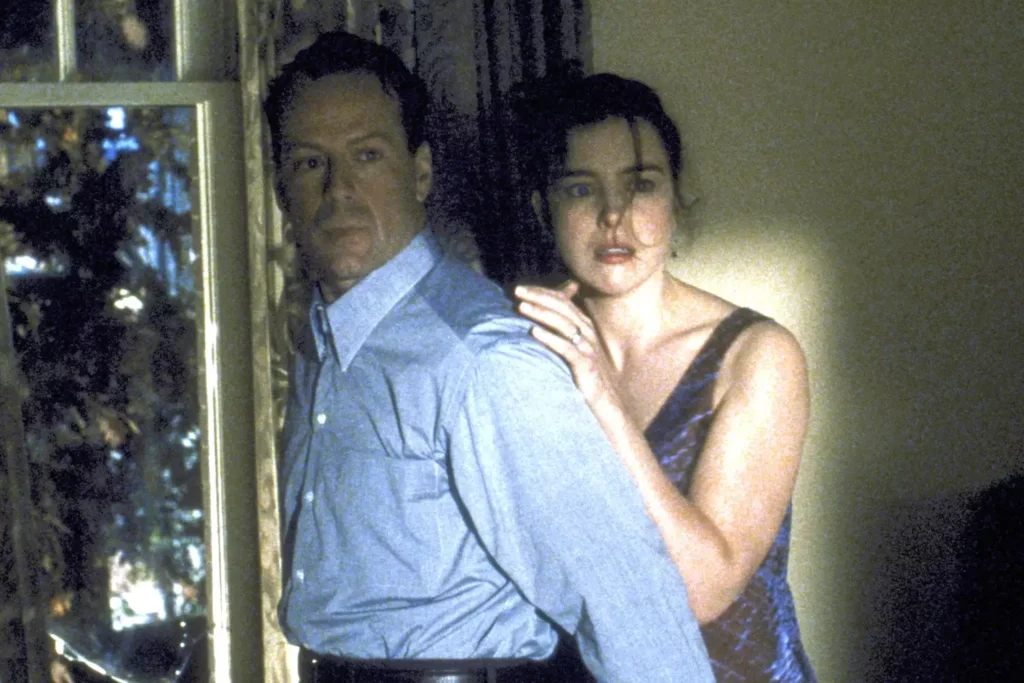
Olivia Williams is best known to audiences as the poised and complex Camilla Parker Bowles in The Crown and as Bruce Willis’ wife in the acclaimed thriller The Sixth Sense. But behind the scenes, the English actress has been facing a devastating personal battle — one she says could have had a far different outcome if she’d been heard sooner.
In a candid and emotional new interview with The Times (U.K.), Williams opened up about her years-long struggle to get a correct diagnosis after experiencing chronic symptoms including fatigue, limb aches, and diarrhea. Doctors initially misattributed her symptoms to perimenopause, irritable bowel syndrome, and even lupus. One physician shockingly referred her for psychiatric evaluation.
It wasn’t until 2018 — after four years and 10 doctors — that she finally received the correct diagnosis: pancreatic cancer.
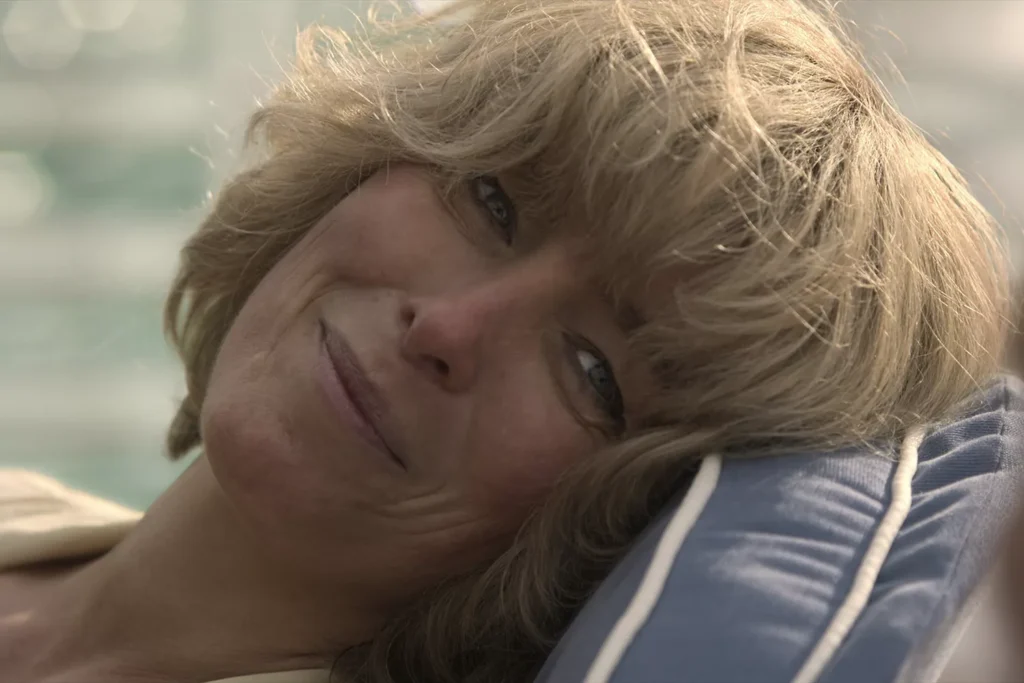
“If someone had f—ing well diagnosed me in the four years I’d been saying I was ill… then one operation possibly could have cleared the whole thing and I could describe myself as cancer-free, which I cannot now ever be,” Williams said.
The now 55-year-old actress added that she had visited around 21 doctors before the tumor in her pancreas was found. While the tumor was eventually removed, the cancer had already begun to metastasize, making a full cure no longer possible.
An Ongoing Battle and Unimaginable Resilience
Since her diagnosis, Williams has undergone four rounds of Lutathera — a targeted internal form of radiotherapy. The treatment involves injections of radioactive material in a controlled hospital setting, during which Williams is temporarily radioactive. The goal is to delay further treatment and halt the spread of cancer, though in her case, the metastases have remained.
“I go in like a puppy with this optimistic, bright face and then they give me bad news and it’s like, ‘Oh my God, I fell for it again,’” she shared.
“They’ve found new metastases pretty well either just before Christmas or in the middle of a summer holiday,” Williams continued. “Then, for three years in a row, they started appearing too close to major blood vessels to zap.”
This period of “watchful waiting” — having to sit by and monitor cancer growth — has been one of the most emotionally difficult parts of her journey.
From Diagnosis to Advocacy
Despite her own experience, Williams is not asking for sympathy. Instead, she is using her platform to advocate for advancements in early detection of pancreatic cancer. She is calling on the public to support Pancreatic Cancer UK, an organization working to fund research into early testing methods.
“I’m not looking for sympathy — I’m looking for a cheap, early test,” she said.
“Because [pancreatic cancer is] so quick and so shocking, people tend to liken losing someone to this cancer to losing them in a car crash. What could change that is early detection with a test that could be as simple as breathing into a bag at your GP.”
Williams emphasized that researchers are close to a breakthrough, and with continued support, early detection tools could soon become a reality — potentially saving thousands of lives.
A Career of Strength and Grace
From her memorable turn in Rushmore to her current role in Dune: Prophecy, Williams has spent decades captivating audiences with her poise and versatility. Yet perhaps her most powerful performance is happening off-screen — as a woman courageously facing illness, raising her voice, and fighting not just for herself, but for others who may one day walk the same path.
As Olivia Williams continues to balance her career and treatment, her story serves as both a cautionary tale about medical misdiagnosis and a rallying cry for change — one that could shape the future of pancreatic cancer care.